Montessori Principles for Independent Learning

The Montessori method has gained significant recognition for its unique approach to education, emphasizing independence, respect, and a love for learning. This educational philosophy, developed by Dr. Maria Montessori, is not just a teaching method but a comprehensive framework that fosters independent learning in children. In this blog post, we will explore the core principles of Montessori education and how they can be applied to promote independent learning in various settings.

Understanding Montessori Education
Montessori education is rooted in the belief that children learn best when they are free to explore their interests in a prepared environment. This method encourages self-directed activity, hands-on learning, and collaborative play. Here are some key principles that define Montessori education:
Child-Centered Learning
In a Montessori classroom, the focus is on the child rather than the teacher. This means that children are encouraged to take charge of their own learning. They choose activities that interest them, allowing them to engage deeply and meaningfully with the material. This autonomy fosters a sense of responsibility and ownership over their education.
Prepared Environment
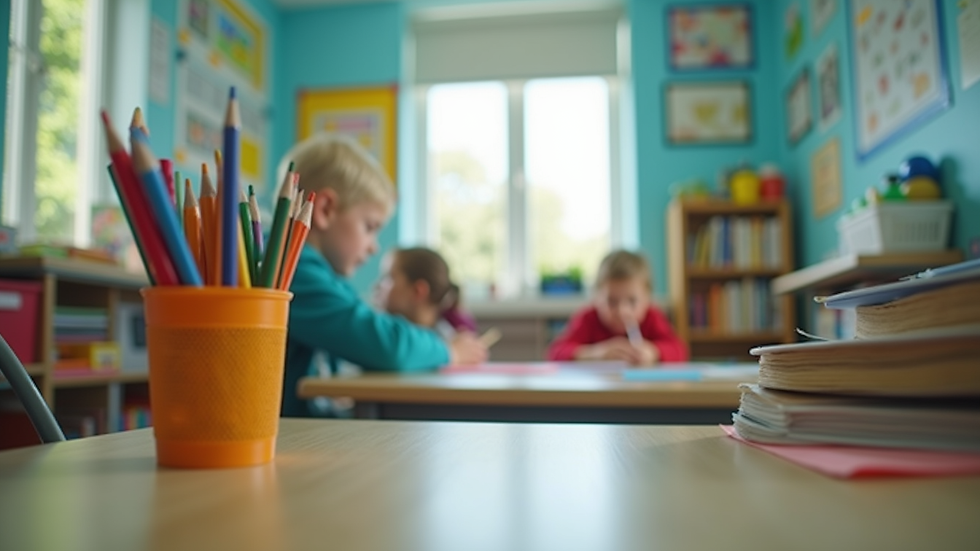
The environment plays a crucial role in Montessori education. Classrooms are designed to be inviting and accessible, with materials that are appropriate for the children's developmental stages. This prepared environment allows children to explore freely and encourages them to engage in self-directed learning.
Mixed Age Groups
Montessori classrooms typically consist of mixed-age groups, allowing younger children to learn from older peers and vice versa. This setup promotes collaboration, social skills, and a sense of community. Older children often take on leadership roles, which reinforces their learning and builds confidence.
Hands-On Learning
Montessori education emphasizes hands-on learning through tactile materials. Children learn concepts through direct experience, which helps them grasp abstract ideas more effectively. For example, they might use physical objects to understand mathematical concepts or engage in practical life skills to develop independence.
Respect for the Child
Respect is a cornerstone of Montessori education. Teachers act as guides rather than traditional instructors, observing children and offering support when needed. This respect for the child's individuality fosters a positive learning environment where children feel valued and understood.
The Role of Independence in Learning
Independence is a fundamental aspect of the Montessori method. By encouraging children to take initiative and make choices, they develop critical life skills that extend beyond the classroom. Here are some ways Montessori principles promote independence:
Choice and Autonomy
When children are given the freedom to choose their activities, they become more engaged and motivated. This autonomy allows them to pursue their interests and develop a sense of agency. For instance, a child who chooses to work on a puzzle rather than a worksheet is more likely to be invested in the learning process.
Problem-Solving Skills
Montessori education encourages children to solve problems independently. When faced with challenges, they learn to think critically and develop strategies to overcome obstacles. This skill is invaluable as they encounter more complex problems in life.
Self-Discipline
Through self-directed learning, children develop self-discipline. They learn to manage their time, set goals, and follow through on tasks. This sense of responsibility prepares them for future academic and personal challenges.
Confidence Building
As children make choices and complete tasks independently, they build confidence in their abilities. This self-assurance translates into a willingness to take risks and try new things, fostering a lifelong love for learning.
Practical Applications of Montessori Principles
While the Montessori method is often associated with early childhood education, its principles can be applied in various contexts to promote independent learning. Here are some practical applications:
In the Classroom
Teachers can create a Montessori-inspired classroom by:
Designing a Prepared Environment: Arrange the classroom to encourage exploration, with materials easily accessible to students.
Encouraging Choice: Allow students to select activities that interest them, fostering engagement and motivation.
Implementing Mixed Age Groups: If possible, create opportunities for older students to mentor younger ones, promoting collaboration and community.
At Home
Parents can incorporate Montessori principles at home by:
Creating a Learning Space: Designate an area for learning that is organized and filled with age-appropriate materials.
Encouraging Independence: Allow children to make choices about their activities and responsibilities, such as selecting their clothes or planning their meals.
Promoting Practical Life Skills: Involve children in daily tasks, such as cooking or cleaning, to help them develop independence and self-sufficiency.
In Community Programs
Community organizations can adopt Montessori principles by:
Offering Workshops: Provide workshops that focus on hands-on learning and practical life skills for children and families.
Creating Collaborative Spaces: Design community spaces that encourage collaboration and exploration, allowing children to learn from one another.
Challenges and Considerations
While the Montessori method offers numerous benefits, it is essential to recognize potential challenges:
Resistance to Change
Implementing Montessori principles in traditional settings may face resistance from educators and parents accustomed to conventional teaching methods. It is crucial to provide training and resources to help them understand the benefits of this approach.
Resource Availability
Not all schools or families have access to Montessori materials or training. Finding creative solutions, such as using everyday objects for hands-on learning, can help overcome this barrier.
Balancing Structure and Freedom
While independence is vital, children also need guidance and structure. Striking the right balance between freedom and support is essential for effective learning.
Conclusion
Montessori principles offer a powerful framework for fostering independent learning in children. By emphasizing choice, respect, and hands-on experiences, this educational philosophy prepares children for a lifetime of learning. Whether in the classroom, at home, or in community programs, implementing these principles can lead to more engaged, confident, and self-directed learners.
As we embrace the Montessori approach, let us remember that the ultimate goal is to nurture a love for learning and empower children to become independent thinkers and problem solvers. The journey of education is not just about acquiring knowledge; it is about cultivating a mindset that values curiosity, creativity, and resilience.

Comments