Nurturing Learning Through Play in Affton
In the heart of Affton, a transformative approach to education is taking root. The concept of learning through play is not just a trend; it is a powerful method that fosters creativity, critical thinking, and social skills in children. As parents and educators, understanding the significance of this approach can lead to more enriching experiences for our young learners.
The Importance of Play in Learning
Play is often seen as a frivolous activity, but research shows it is essential for cognitive, social, and emotional development. According to the American Academy of Pediatrics, play helps children develop problem-solving skills, enhances their ability to work in teams, and encourages them to express their thoughts and feelings.
Cognitive Development
Through play, children engage in activities that stimulate their brains. For instance, building blocks can teach concepts of physics and engineering, while role-playing can enhance language skills and creativity.
Social Skills
When children play together, they learn to cooperate, negotiate, and resolve conflicts. These interactions are crucial for developing empathy and understanding different perspectives.
Emotional Growth
Play allows children to express their emotions in a safe environment. It helps them process their feelings and learn how to manage them effectively.
Types of Play That Foster Learning
Not all play is created equal. Here are some types of play that are particularly effective in nurturing learning:
Free Play
Free play allows children to explore their interests without structured guidance. This type of play encourages creativity and independence. For example, a child might create a fort out of cushions and blankets, which not only sparks imagination but also develops spatial awareness.
Guided Play
In guided play, adults provide a framework or theme while allowing children to explore within that structure. For instance, a teacher might set up a science experiment but let the children decide how to conduct it. This method balances freedom with educational goals.
Cooperative Play
Cooperative play involves children working together towards a common goal. Activities like team sports or group projects in school foster collaboration and communication skills.
Implementing Play-Based Learning in Affton
Affton is home to several educational institutions that embrace play-based learning. Here are some examples of how local schools and organizations are integrating this approach:
Affton School District
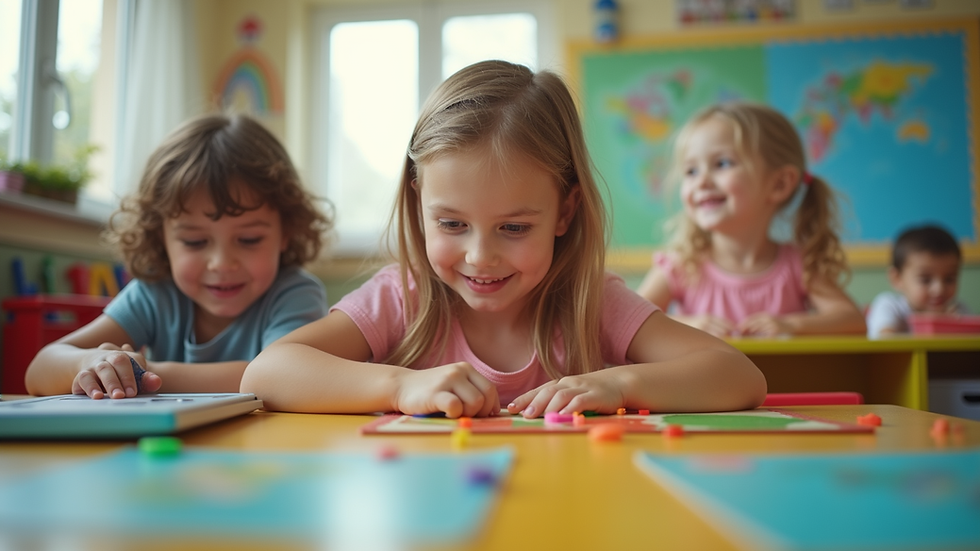
The Affton School District has adopted a curriculum that emphasizes play in early childhood education. Teachers are trained to create environments where children can explore and learn through play. Classrooms are designed with various activity stations that encourage hands-on learning.
Community Programs
Local community centers offer programs that focus on play-based learning. These programs often include arts and crafts, outdoor activities, and interactive storytelling sessions. They provide children with opportunities to learn in a fun and engaging way outside of the traditional classroom setting.
Parent Involvement
Parents play a crucial role in nurturing learning through play at home. Simple activities like cooking together, gardening, or playing board games can provide valuable learning experiences. Encouraging children to ask questions and explore their surroundings can also enhance their learning.
The Role of Educators in Play-Based Learning
Educators are key to successfully implementing play-based learning. Here are some strategies they can use:
Create a Play-Friendly Environment
Classrooms should be designed to encourage exploration. This includes having a variety of materials available for children to use in their play.
Observe and Facilitate
Teachers should observe children during play to understand their interests and learning styles. By facilitating play, educators can guide children towards educational outcomes without stifling their creativity.
Encourage Reflection
After play sessions, educators can encourage children to reflect on their experiences. This can be done through discussions or creative activities like drawing or storytelling. Reflection helps solidify learning and encourages critical thinking.
Challenges and Solutions
While play-based learning has many benefits, there are challenges to consider:
Balancing Curriculum Requirements
One challenge is meeting curriculum standards while incorporating play. Educators can address this by integrating play into the curriculum rather than viewing it as separate. For example, math concepts can be taught through games that involve counting or measuring.
Misconceptions About Play
Some parents and educators may view play as unproductive. It is essential to educate them about the benefits of play-based learning. Workshops and informational sessions can help dispel myths and promote understanding.
The Future of Learning Through Play in Affton
As the understanding of play's importance grows, the future of education in Affton looks promising. Schools and community organizations are increasingly recognizing the value of play in learning.
Expanding Programs
There is potential for expanding play-based programs in Affton. More community partnerships can be formed to provide resources and support for play-based learning initiatives.
Advocacy for Play
Advocating for play in education is crucial. Parents, educators, and community members can work together to promote policies that support play-based learning in schools.
Continuous Research
Ongoing research into the benefits of play will further validate its importance in education. This research can inform practices and policies, ensuring that play remains a central component of learning.
Conclusion
Nurturing learning through play in Affton is not just an educational approach; it is a movement towards creating a more engaging and effective learning environment for children. By embracing play, we can foster creativity, critical thinking, and social skills in our young learners. As we move forward, let us continue to support and advocate for play-based learning, ensuring that every child has the opportunity to learn and grow through the joy of play.
By prioritizing play in education, we are not only enriching the lives of children today but also preparing them for a brighter future. Let’s take action in our homes, schools, and communities to make play an integral part of learning.

Comments